
 3 min read
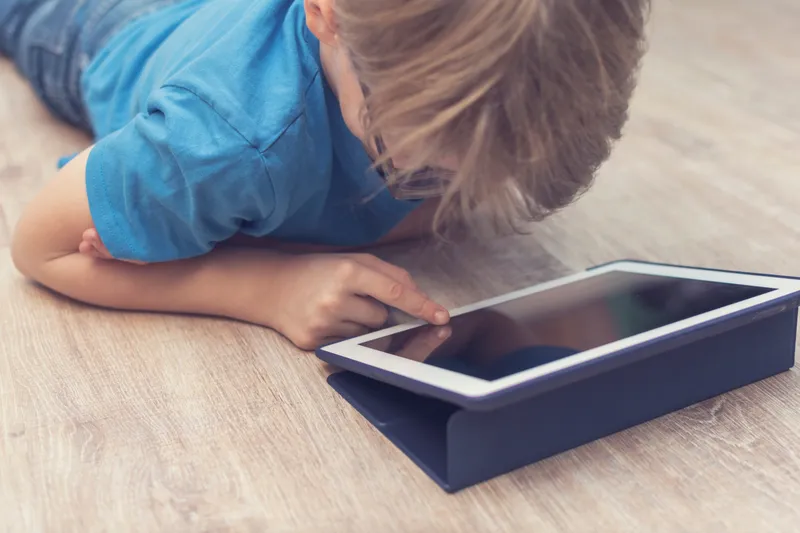
Watch your child on a typical learning app. Tap. Swipe. Done. It looks fast and easy.
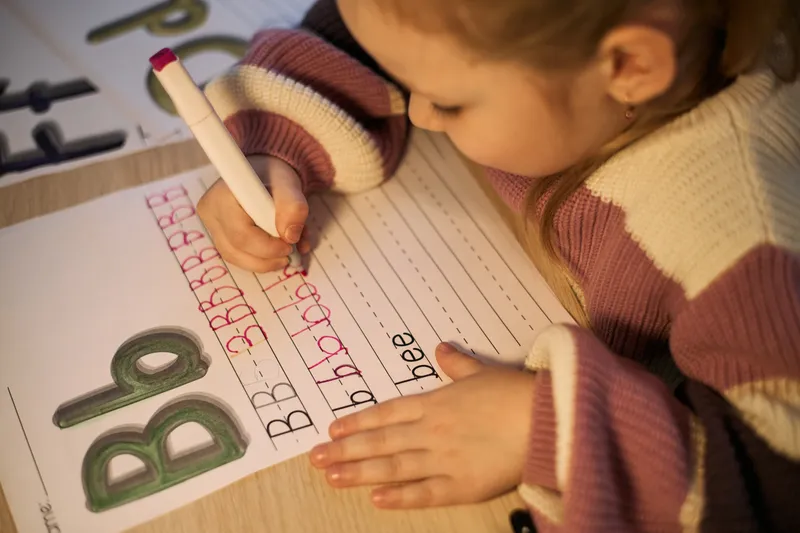
Now watch them drag a crooked “B” across a page. Slow and wobbly.
One of these looks like modern learning. But when researchers watch what the brain is doing during each one, it’s the wobbly version that keeps lighting up more of it.
The reason why changes how we should look at screens.
Study 1: Freehand writing activates broader brain networks
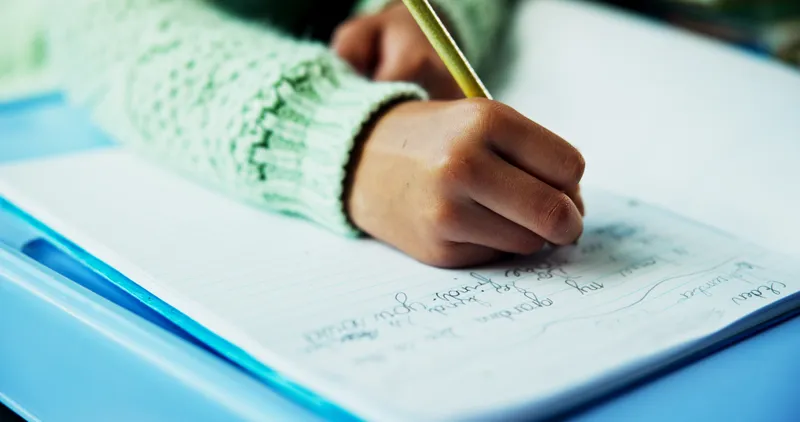
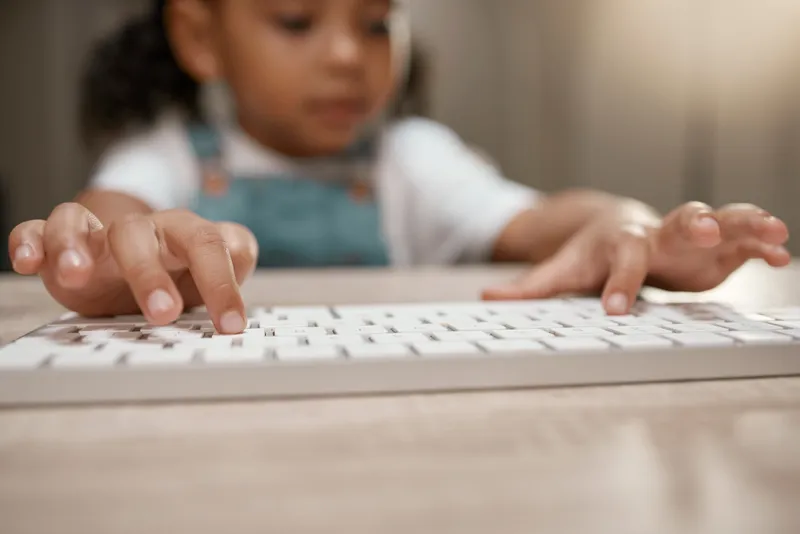
An Indiana University team worked with 15 four- and five-year-olds who couldn’t yet read. The children practiced letters three ways — writing them freehand, tracing them, and typing them on a keyboard — and then saw those letters again inside an fMRI scanner.
The letters a child had written freehand recruited a broader network of reading-related brain regions than the letters they had typed (James & Engelhardt, 2012). Same letters. Same child. Different history in the hand — different response in the brain.
The shortcut of a key press delivered a perfect letter without the hand doing the work—and the brain noticed.
Study 2: Handwriting triggers the brain—even on a screen
A Norwegian team took the question further — and closer to your living room. A team at the Norwegian University of Science and Technology fitted twelve young adults and twelve children aged 12 with 256-sensor EEG nets. Then they recorded their brains while the participants wrote by hand, typed, and drew (Ose Askvik et al., 2020).
When they wrote, the brain settled into synchronized theta rhythms tied to memory and learning. When they typed, that pattern vanished.
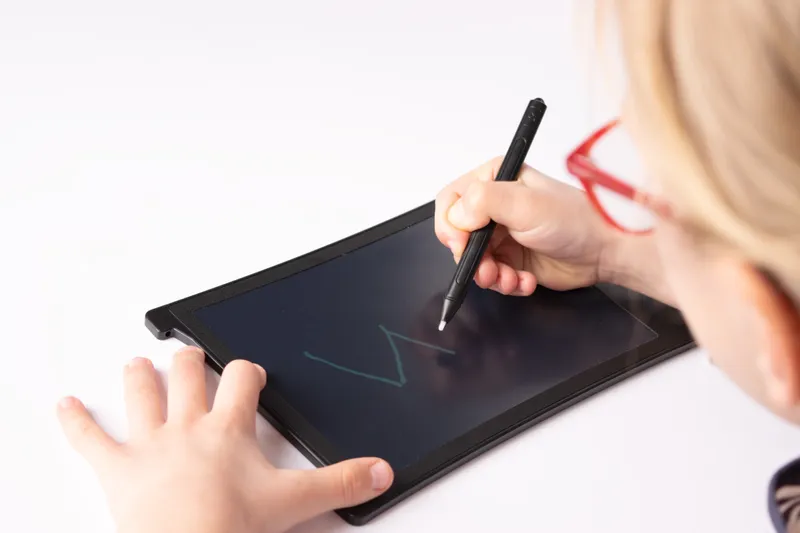
Here is the detail that matters most: nobody in that study wrote on paper. They wrote with a digital pen directly on a screen.
What Both Studies Tell Us
The brain doesn’t seem to care whether there’s paper under the hand. It cares whether the hand is writing.
“The real divide isn’t paper versus screen. It’s whether the hand is writing.”
Yet most learning apps do the opposite: they keep the screen and retire the pen. Tap. Swipe. Done.
How can we maintain the convenience of a screen while keeping handwriting at the core of home learning? “Smile Zemi” was built to answer that exact question.
Built for Natural Handwriting—and Total Focus
The Smile Zemi tablet keeps a tablet’s convenience while bringing back what both studies point to: the brain-stimulating benefits of writing, delivered seamlessly on a screen.
Designed for pre-K through fifth grade, children answer questions by writing with a digitizer pen. The moment the pen approaches the glass, the tablet ignores palm contact, letting kids write naturally just as they would on paper.
It is a tablet built solely for learning—with no web browser, no app store, and no ads.
The Classroom Test
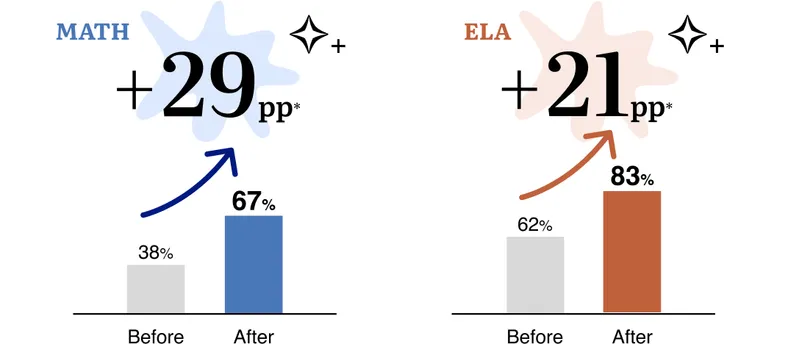
Does pen-first learning work in practice? In a two-month pilot at two New Jersey elementary schools, 2nd graders raised their math accuracy from 38% to 67%, while 3rd graders raised their reading accuracy from 62% to 83% (JustSystems, 2023).
These results come from internal school pilots (30 mins, 2-3 times/week), but the takeaway is clear: when the pen stayed in the hand, the numbers moved.
Learning Starts with the Hand
Research shows that handwriting engages the brain in ways typing doesn’t.
See how Smile Zemi makes handwriting an essential part of learning.
